
Research
The Girostudi project represents a unique opportunity for the scientific community interested in population health, social and environmental determinants, and epidemiology.
It is a longitudinal population-based cohort representative of the Girona region.
Girostudi, made up of 3,650 people between 16 and 79 years of age, stratified by age and sex, will generate a rich and diverse volume of data and samples over time. It is a territorial project made possible thanks to the involvement of various institutions.

What does Girostudi offer to research?
Multidimensional data
Biological samples
How will data collection be carried out?
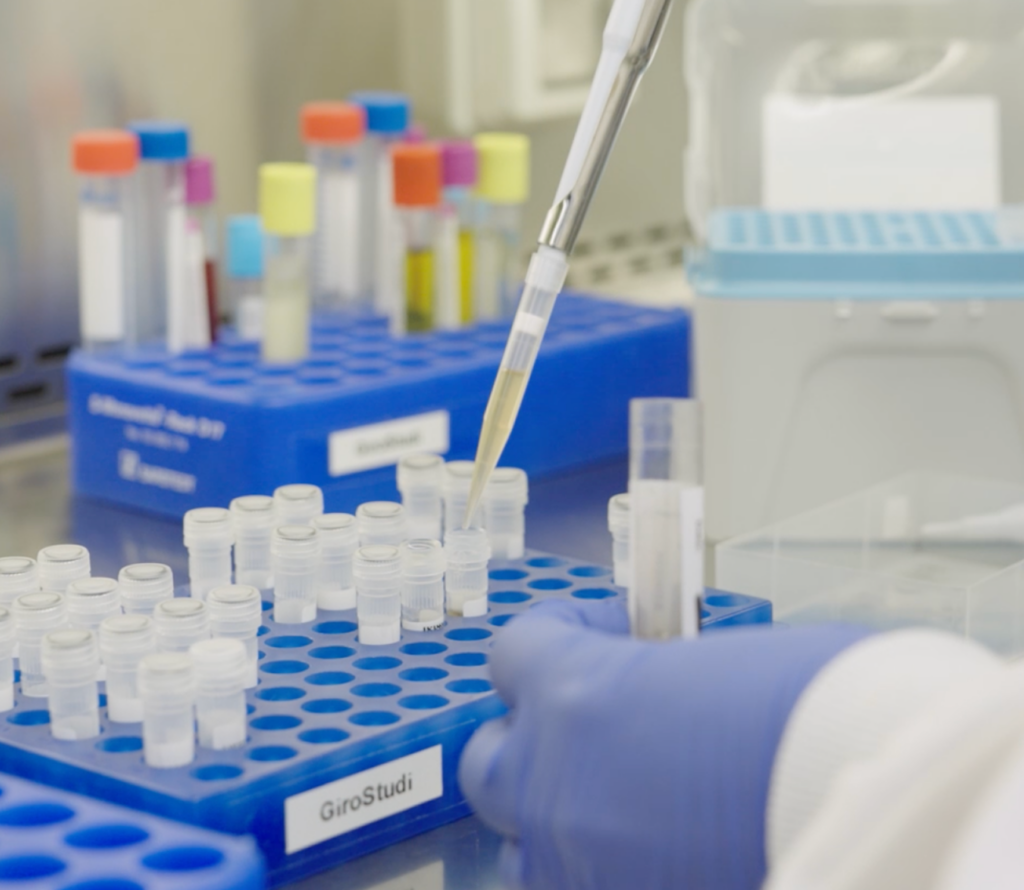
Initial or baseline measurements:
In a first face-to-face interview, participant characterization variables, neuropsychological tests, physical measurements, and a first set of biological samples will be collected. Subsequently, a second collection of biological samples will be carried out at the primary health care area.
At a later stage, a specific exposure module associated with the collection of biological samples will be completed.
Longitudinal follow-up:
The cohort will allow the study of the evolution of health and its determinants over time, with follow-up waves mainly carried out digitally, but adapted by telephone or in person to reduce the digital divide.
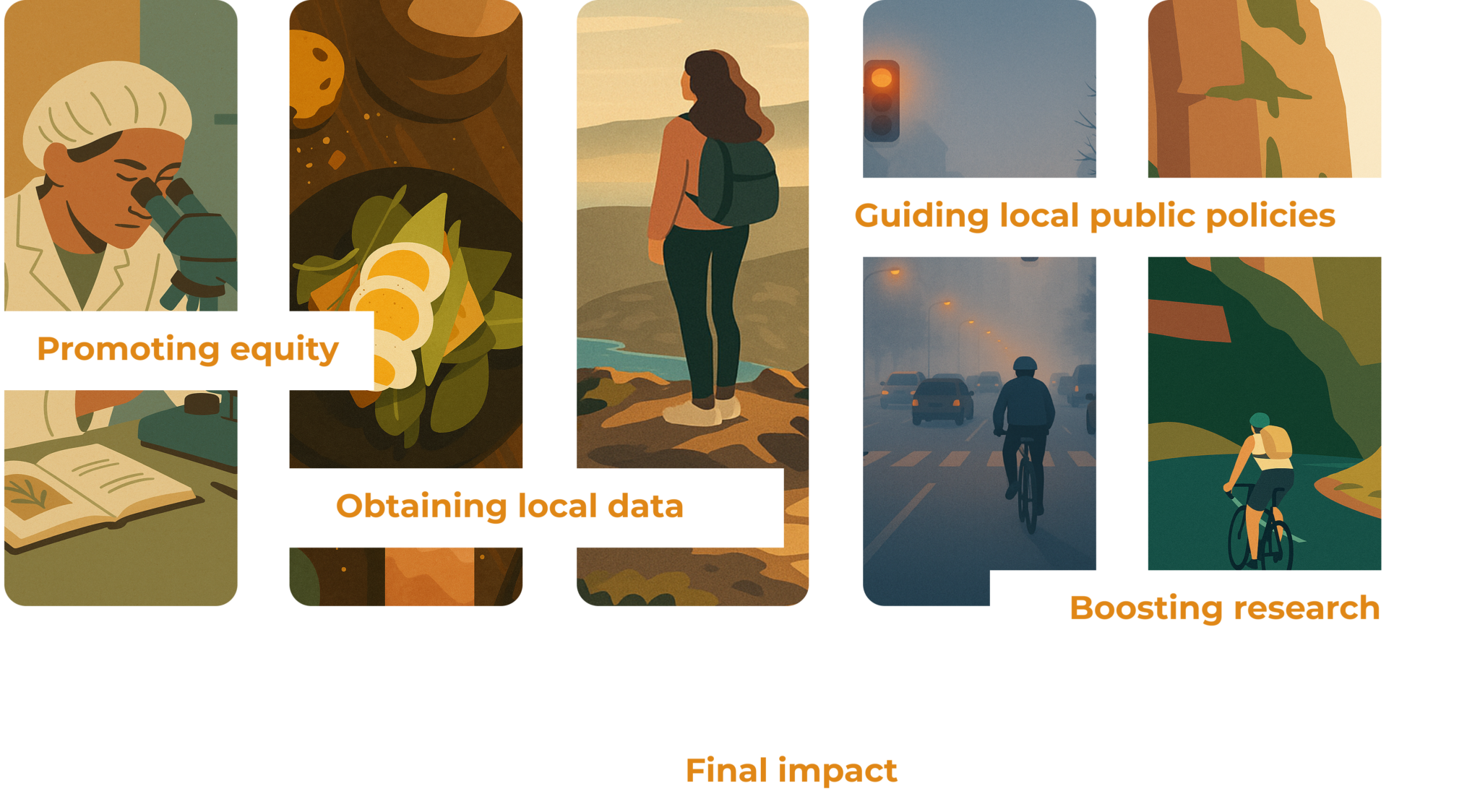
What is the final objective of Girostudi?
Who we are?
Observatory Team
Pau Batlle Amat, Social, Environmental and Health Observatory of Dipsalut
Xavier Perafita Basart, Social, Environmental and Health Observatory of Dipsalut
Narcís Pou Martí, Social, Environmental and Health Observatory of Dipsalut
Alba Tarrés Bosch, Social, Environmental and Health Observatory of Dipsalut
Angi Vilà Pujolràs, Social, Environmental and Health Observatory of Dipsalut
Laura Vilà Quintana, Social, Environmental and Health Observatory of Dipsalut
Scientific Committee
Maria Antonia Barceló Rado, Research Group in Statistics, Econometrics and Health (GRECS), University of Girona
Maria Buxó Pujolràs, Biomedical Research Institute of Girona (IDIBGI)
Lluís Coromines Tabares, Catalan Institute for Water Research
José Manuel Fernández del Real, Endocrinologist at Hospital Trueta and researcher at IDIBGI
Pablo Gago Ferrero, Institute of Environmental Diagnosis and Water Studies, Spanish National Research Council (CSIC)
Josep Garre Olmo, Research Group on Health, Gender and Ageing, University of Girona
Dolors Juvinyà Canal, Chair in Health Promotion, University of Girona
Jordi Mayneris Perxachs, Systems Integrative Medicine and Biology Research Group, IDIBGI
Pere Plaja Roman, Empordà Health Foundation
Rafael Ramos Blanes, University Institute for Primary Care Research Jordi Gol, ICS
Marc Saez Zafra, Research Group in Statistics, Econometrics and Health (GRECS), University of Girona
Pere Soler Masó, Research Group on Childhood, Youth and Community (LIBERI), University of Girona
We foster collaboration
Scientific collaboration
At Girostudi, we actively promote synergies and collaborations between research groups, especially those linked to participating institutions within the Girona territory.
Access to data and samples
Girostudi is a territorial project with a scientific vocation. The complete catalogue of available variables and samples will be published shortly.